A creative life, a commitment to biodynamics and an ongoing curiosity about what the vineyard can produce.Our Julian Castagna recently sat down with Kasia Sobiesiak of The Wine Front for an extensive conversation and tasting, offering a fascinating insight into the philosophy behind Castagna Wines. There are winemakers who follow established conventions, and then there is Julian Castagna. After a career in cinematography, Julian arrived in Beechworth in the mid-1990s with a different vision for what a vineyard could be. His ambition was to grow vines without chemicals, build a home from straw and make wines that expressed the character of the land. Some thought he was mad. Nearly 30 years later, his approach has helped shape both Castagna Wines and the broader conversation around biodynamic winegrowing in Australia.
In this recent interview with Kasia Sobiesiak of The Wine Front, Julian reflected on the creative journey that brought him to winemaking, his relationship with Beechworth and the thinking behind a remarkable range of wines. As Kasia observed, there is something of a creative streak shared between the two professions. Perhaps it takes a little madness to make films, or indeed, wines. Julian’s approach has always been guided by curiosity rather than convention. Castagna makes around 21 wines from just 14 acres of fruit, experimenting with varieties, blends and techniques when he believes the vineyard has something interesting to offer. As he explained to Kasia, wine is an emotional experience rather than a fixed scientific exercise. His approach is to listen to the fruit, understand what it needs and allow the wine to find its own direction.
That philosophy is particularly evident in the way he approaches Chardonnay. While Beechworth has developed several recognisable styles, Julian is interested in allowing the wine to develop naturally, rather than imposing a predetermined outcome. Discussing the Castagna 2023 Beechworth Chardonnay, Kasia described its character as intriguing and quietly complex, noting that it is a wine that “makes you want to think about what else is there.” With her review awarding it 96 points, describing aromas of baklava, crushed fennel and aniseed, alongside a fleshy texture and considerable character.
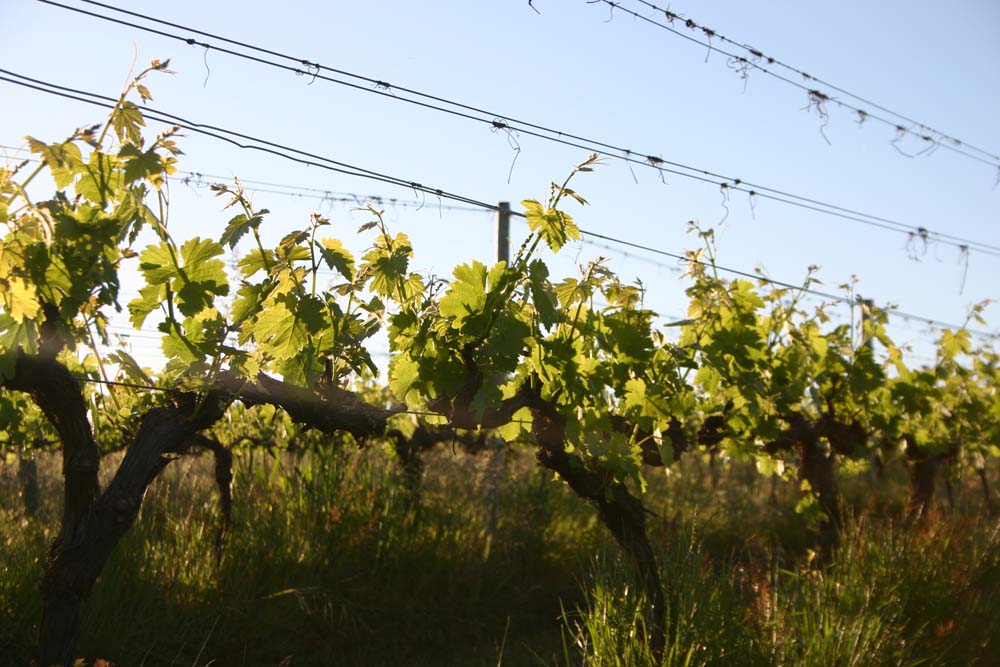
Castagna’s commitment to biodynamics was not a marketing decision. It was a response to a very real problem in the vineyard. When Julian first planted vines in Beechworth, he intended to farm without chemicals. However, an infestation of African Black Beetle threatened the young vines, and the recommended chemical treatment made him question the direction he was taking. Having previously encountered biodynamics during his time in the UK, Julian began investigating the approach more seriously. Conversations with experienced biodynamic growers, extensive reading and exposure to wines that displayed remarkable energy convinced him this was the way forward.
In 2004, he organised a biodynamic symposium in Beechworth, bringing international speakers together to share their knowledge. It became an important moment in the development of biodynamic viticulture in Australia. Today, Castagna is certified biodynamic, but for Julian, certification is secondary to the philosophy itself. As he put it to Kasia: “I’m not selling biodynamic wine; I’m making biodynamic wine.”
The tasting in Sydney covered our extensive Castagna range, demonstrating the diversity of varieties and styles produced. From Savagnin and Viognier to Sangiovese, Nebbiolo and the estate’s signature Syrah, each wine reflects the willingness to explore what is possible in Beechworth.
A few highlights from Kasia’s tasting notes:
2023 Chardonnay – 96 points
Kasia found layers of baklava, crushed fennel, aniseed and herbs, with a fleshy texture and beautifully integrated oak: “Such a wine with so much character.”
2021 Genesis Syrah – 96 points
Described as “precision with a soul”, the wine impressed with its concentration, spice, structure and long finish.
NV Aqua Santa – 96 points
A fascinating solera wine, aged over many years, with poached pear, walnut, honey, baklava and orange peel. Kasia called it “what a treat”.
2021 Barbarossa Nebbiolo – 95 points
A wine of contrasts, balancing dark fruit, savoury character, bright acidity and fine, persistent tannins.
2023 Ingénue Viognier – 95 points
A detailed and expressive interpretation of the variety, with roasted peach, rosemary, pomelo and apricot stone.
The tasting also included: 2021 La Chiave Sangiovese (95 points), 2022 Chenin (95 points), 2024 Allegro Rosé (94 points) and 2021 Un Segreto (94 points).
Julian has spent almost three decades in Beechworth and has witnessed considerable change in the region. He is particularly enthusiastic about the energy brought by a new generation of young growers and winemakers, and believes those who have been in the region longer have a responsibility to support them. He also has a clear ambition for Beechworth’s place on the international wine stage.
“I think Beechworth will be considered with the same voice as Burgundy,” he told Kasia. Not because the region should make Burgundy, but because it has the potential to be recognised for the seriousness and individuality of its producers. It is an ambitious statement, but one that reflects the confidence in the region and its potential.
For Julian, the work is ongoing. The vineyard continues to provide opportunities to experiment, question and refine. And perhaps that is where his filmmaking background remains most evident: the desire to create something with character, energy and the ability to move people.
Kasia Sobiesiak’s two-hour conversation with Julian Castagna is well worth a read, offering further insight into the wines, the vineyard and the thinking behind one of Beechworth’s most distinctive producers.
Read the full interview and tasting notes here.
All tasting notes and review excerpts are by Kasia Sobiesiak, The Wine Front. Reproduced in brief excerpts with attribution. Read the original article for the complete interview and reviews.