
There is an old misconception that Australian wine is made to be enjoyed young. Bright fruit. Immediate pleasure. Open the bottle, drink it, move on.
It’s a story that’s helped shape the modern wine industry, but it quietly overlooks one of Australia’s greatest strengths: some of our finest wines are capable of extraordinary lives in bottle. The evidence has always been there. Hunter Semillon that transforms over decades into beeswax and toast. Clare and Eden Riesling that evolves from citrus purity into something hauntingly complex. Coonawarra Cabernet that trades youthful power for elegance. Shiraz that slowly sheds its exuberance to reveal remarkable depth and grace. Yet much Australian wine is still consumed within a few years of release.
At Castagna, we have always believed there is another story worth telling. Wine doesn’t get better. It becomes something else. One of the great myths surrounding cellaring is that wine simply becomes “better” with age. Julian sees it differently.
“Ageing isn’t about improvement. It’s about transformation.”
Over time, wine begins to reveal parts of itself that simply don’t exist in youth. Bright berries become dried fruit. Fresh flowers evolve into spice. Tannins soften, savoury characters emerge, and the conversation shifts from fruit to place. Whether that evolution is preferable is entirely personal. Some people will always love the vitality and energy of young wines. Others are drawn to the earthy, savoury and tertiary complexity that only time can create. Neither is right. That’s the beauty of it.
For us, bottle age has always been one of the truest measures of a wine. Fashion fades. Winemaking trends come and go. Balance remains. Wines built on harmony rather than sheer impact continue to unfold year after year, revealing new layers rather than simply fading away. Perhaps that’s why mature wines can feel so emotional. Every bottle captures not only a vineyard and a vintage, but the quiet passage of time itself:
“A young wine shows what a vineyard is. An old wine shows what it has become.”
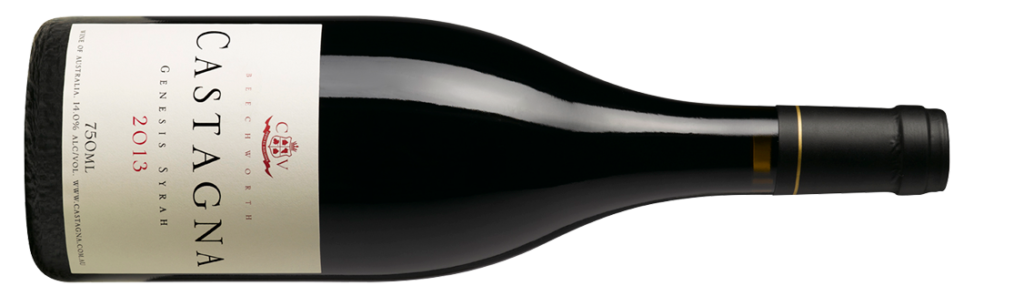
2013 Genesis Syrah
Now more than a decade from harvest, the 2013 Genesis Syrah is entering a particularly compelling stage of its life. The colour has begun to soften gently at the rim, while the nose opens with black cherry, blackberry and plum before moving into cracked pepper, dried herbs, cured meats, graphite and subtle leather.
On the palate, the tannins have relaxed without losing their shape. Dark fruit remains, but now shares the stage with savoury spice, mineral detail and a long, persistent finish carried by bright natural acidity. What defines the wine today is its balance. There is concentration without heaviness, power without excess, and an effortless harmony that only patient bottle age can reveal.
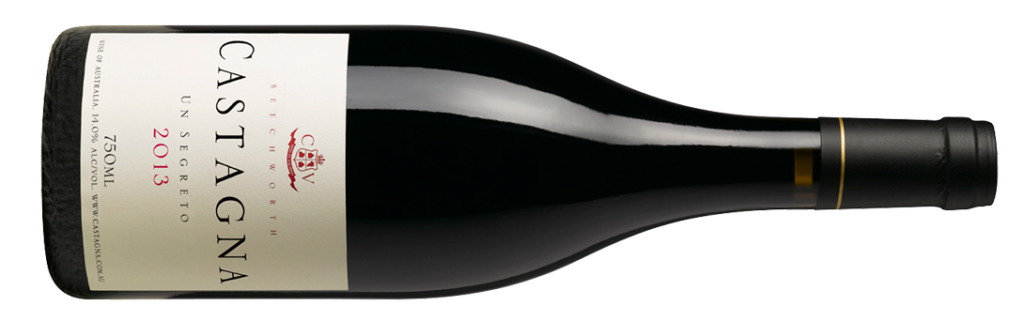
2013 Un Segreto
The 2013 Un Segreto tells a different story. Time has gently moved the wine beyond primary fruit, allowing the vineyard itself to speak more clearly. Sangiovese contributes its trademark tension, savoury acidity and fine structure, while Syrah adds perfume and breadth without overwhelming the blend.
Today the wine offers layers of sour cherry, dried flowers, earth, spice and the unmistakable mineral imprint of granite soils. The tannins remain remarkably fine, providing structure rather than weight, while the years have softened every edge without diminishing the wine’s remarkable energy. Rather than tasting like two varieties blended, it now feels like one complete expression of site, season and time.
 Holding wines back is never the easiest commercial decision. But for us, releasing mature wines has always been about sharing a different experience of Australian wine—one that many drinkers rarely have the opportunity to discover. These are not simply older bottles. They are wines that have continued their journey, revealing layers that only patience can uncover. Sometimes, the most interesting part of a wine’s story doesn’t begin at release. Sometimes, it begins ten years later.
VIEW AVAILABLE BACK VINTAGE & MUSEUM WINES. NOTE: FILTER WINES VIA THE SUB-HEADING.